
You’ve tried meditation before. Maybe you lasted a week, maybe a month.
The app sat unopened on your phone, the cushion collected dust, and that promise to “start tomorrow” became a permanent fixture in your mental to-do list.
Here’s the thing: you’re not failing at meditation. The approach you’ve been sold is failing you.
After decades of clinical practice and years as a Taoist Abbot, I’ve seen thousands of people transform their health through meditation. But not by sitting for 45 minutes in perfect stillness while their mind screams at them.
The people who actually stick with a daily meditation practice share one thing in common — they started small and built from there.
In this article, you’ll discover how to build a sustainable meditation practice that works with your actual life, not some idealized version of it.
We’ll explore different meditation styles that target specific needs, the real science behind why even 10 minutes matters, and practical strategies for making meditation as automatic as brushing your teeth.
Keep reading to discover the exact steps that finally make meditation sustainable — no perfectionism required, just practical strategies that work with real life.
Key Takeaways
- Start with 5-10 minutes daily — research shows significant brain changes occur even with short, consistent practice¹.
- Match meditation style to your needs — breathwork for stress, body scans for sleep, mindfulness for anxiety.
- Consistency beats duration — daily 10-minute sessions outperform sporadic 30-minute attempts.
- Brain changes happen fast — studies show measurable neuroplasticity within 8 weeks of regular practice¹.
- Cortisol drops significantly — meditation practice increases mindfulness, which correlates with lower stress hormones².
- You don’t need perfect conditions — meditation works at your desk, in your car, or before bed.
- Different times serve different purposes — morning practice sets your nervous system, evening practice supports sleep.
Start Here with the FREE 5-Day Reset
Build your foundation in just 5-10 minutes daily. Guided practices designed to make it impossible to “do it wrong.”
Why Your Past Meditation Attempts Failed
Let me guess: someone told you to sit in lotus position, clear your mind completely, and transcend to some zen state.
When your brain kept thinking about grocery lists and work emails, you figured you were doing it wrong.
You weren’t.
That’s just your brain being a brain.
The myth of “emptying your mind” has caused more meditation dropouts than almost anything else.
Real meditation isn’t about having zero thoughts — it’s about changing your relationship with those thoughts.
I’ve worked with everyone from stressed executives to patients with chronic gut issues, and the pattern is always the same.
They come in having tried meditation apps, YouTube videos, maybe even a class. They lasted a few weeks, maybe a month, then life got busy and they never went back.
The problem? They were trying to build a skyscraper before laying the foundation.
The Science Behind Starting Small
Look, I trained in a Taoist temple where we practiced for hours.
But that’s not where anyone starts, and it’s definitely not what modern research shows you need for real benefits.
Studies published in Psychiatry Research: Neuroimaging found that an 8-week Mindfulness-Based Stress Reduction program led to measurable increases in gray matter density in brain regions associated with memory, emotional regulation, and self-awareness¹.
The remarkable part?
These structural changes begin appearing within 8 weeks of consistent practice — participants practiced an average of 27 minutes daily.
Even more compelling: research from UC Davis’s Shamatha Project published in Health Psychology showed that meditation training increased mindfulness, which directly correlated with lower cortisol levels — your primary stress hormone².
When you develop mindfulness through meditation, you’re literally rewiring your stress response at the cellular level.
The brain changes aren’t subtle.
MRI studies demonstrate increased cortical thickness in the prefrontal cortex (your decision-making center)³ and decreased reactivity in the amygdala (your stress alarm system)⁸.
Think of it as upgrading your internal operating system.
Measurable Brain Changes
What happens inside your brain with consistent meditation
Increased Gray Matter Density
Brain regions for memory, learning, and emotional regulation grow thicker and more connected.
Enhanced Prefrontal Cortex
Your decision-making center strengthens, improving impulse control and rational thinking.
Reduced Amygdala Reactivity
Your stress alarm system becomes less sensitive, decreasing anxiety and fear responses.
Lower Cortisol Levels
Your primary stress hormone decreases significantly, reducing inflammation throughout your body.
Source: 8-week Mindfulness-Based Stress Reduction study¹
Average practice time: Just 27 minutes daily
How to Start Meditating Daily (Without Hating It)
Forget everything you think meditation “should” look like. Here’s how to actually build a routine that sticks:
Pick Your Time Window
Choose when meditation serves you best.
Morning practice primes your nervous system for the day ahead. Evening practice activates your parasympathetic system, supporting better sleep quality.
The key: same time, every day. Your brain loves patterns.
Start Ridiculously Small
Week one: 3 minutes. That’s it.
Set a timer, sit comfortably (chair is fine), and focus on your breath.
When your mind wanders — and it will — gently bring it back. You’re not failing when thoughts arise. You’re succeeding every time you notice and redirect.
Week two: 5 minutes. Week three: 7 minutes. By week four, you’re at 10 minutes and you’ve built actual momentum.
This gradual approach prevents the “too much too fast” burnout that kills most meditation practices.
Match Style to Need
Different meditation techniques activate different neural pathways. Here’s how to choose:
Breathwork meditation works fastest for acute stress.
Slow, diaphragmatic breathing directly stimulates your vagus nerve, increasing heart rate variability — a marker of nervous system resilience⁵.
This provides immediate nervous system regulation when stress hormones are elevated.
Body scan meditation trains interoception — your brain’s ability to sense what’s happening inside your body. This is crucial for people experiencing chronic stress or gut issues, where the brain-body connection has been disrupted.
Mindfulness meditation strengthens your prefrontal cortex and improves emotional regulation³.
Perfect for those dealing with anxiety and racing thoughts, as it literally strengthens the brain circuits that manage emotional responses.
Qigong and movement meditation combine breath awareness with gentle movement.
Research shows these practices enhance motor coordination while reducing stress markers — ideal for people who find sitting meditation physically uncomfortable⁶.
Want a practical framework? The mindfulness meditation benefits become measurable in just 10 minutes daily, making it an accessible entry point for most people.
Find Your Perfect Meditation Style
Try breathwork, body scans, and mindfulness. Discover what actually resonates with you in just 5 days.
The Vagus Nerve Connection
Your vagus nerve is the superhighway between your brain and body.
When you meditate — especially using breath-focused techniques — you’re actively stimulating this nerve, which controls your parasympathetic “rest and digest” response.
Research in heart rate variability studies shows that meditation increases vagal tone, improving your body’s ability to shift from stressed to relaxed states⁵.
This isn’t just about feeling calmer in the moment. You’re building long-term stress resilience at the physiological level.
Choose Your Meditation Style
Different techniques activate different healing pathways
Breathwork Meditation
Best for: Immediate stress relief
Slow diaphragmatic breathing directly activates your vagus nerve, calming your nervous system within minutes.
Body Scan Meditation
Best for: Chronic stress & gut issues
Rebuilds your brain-body connection through interoception, crucial when stress has disrupted gut-brain signaling.
Mindfulness Meditation
Best for: Anxiety & racing thoughts
Strengthens prefrontal cortex circuits that manage emotional responses, reducing amygdala reactivity over time.
Qigong & Movement
Best for: Physical discomfort while sitting
Combines breath awareness with gentle movement, ideal when traditional sitting meditation feels physically challenging.
For people who struggle with racing thoughts during meditation, tools like the VIBE vagus nerve stimulator can provide additional support. It works alongside your practice, helping activate that parasympathetic response while you’re learning to do it naturally through breathwork.
The gut-brain connection also runs through the vagus nerve. This is why meditation can stop stress-related digestive flares — you’re literally calming the neural signals that trigger gut inflammation.
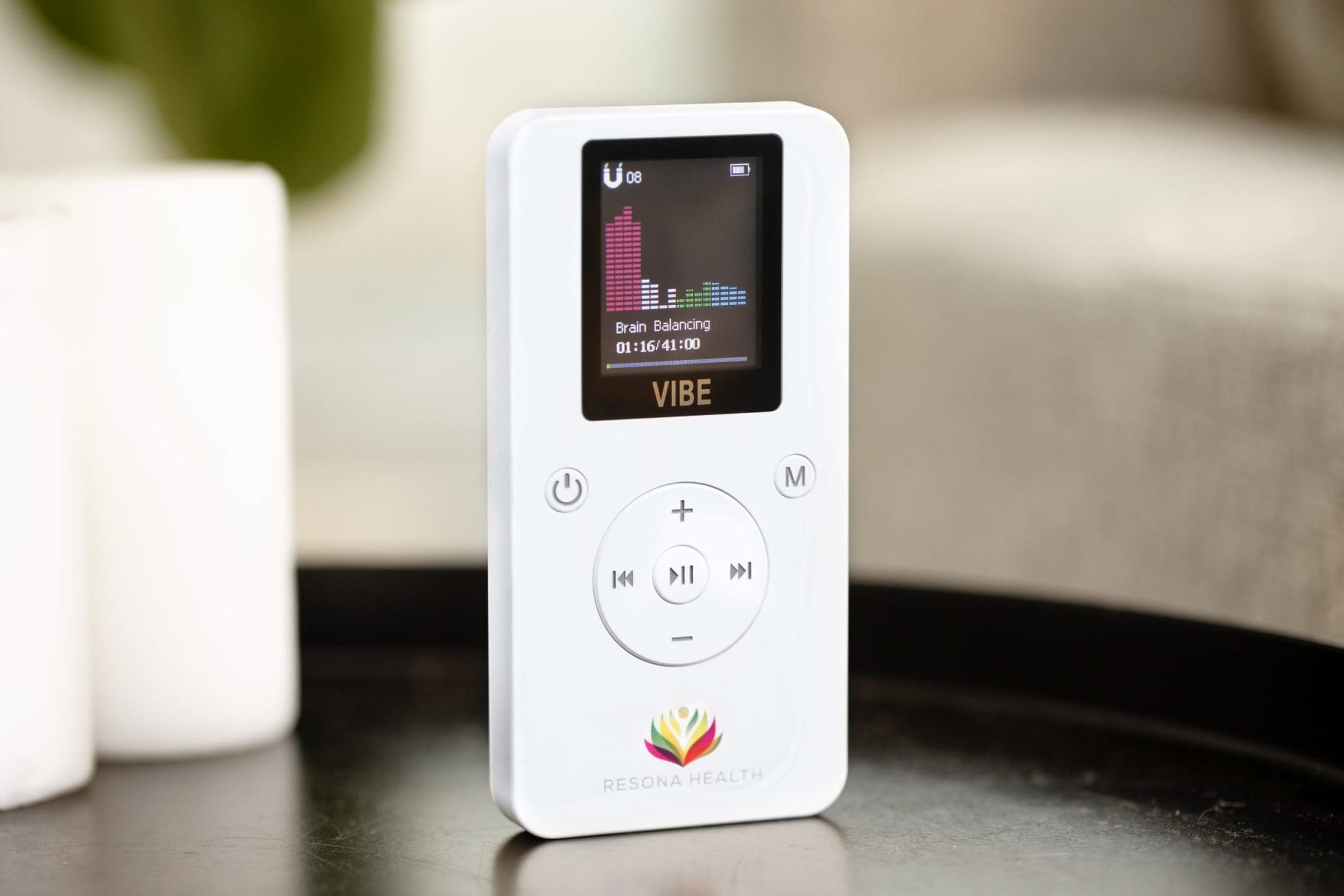
Support Your Practice with VIBE
Gentle vagus nerve stimulation activates your body’s natural calm response. Build self-regulation skills while getting extra nervous system support.
Building Real Consistency
Here’s what actually works after helping thousands of people establish sustainable practices:
Stack It With Existing Habits
Meditation after your morning coffee. Meditation before you check email. Meditation right after you brush your teeth. Use an existing solid habit as your anchor.
Track Without Obsessing
Mark a calendar. Nothing fancy. Just a visual reminder that you showed up. The satisfaction of not breaking the chain becomes its own motivation.
Prepare Your Space
Same spot, every time. It signals your brain that meditation is happening. Doesn’t need to be special — just consistent.
Allow Imperfect Sessions
Some days your mind will be everywhere. Some days you’ll feel nothing profound. Some days you’ll spend the whole time thinking about dinner.
All of these count. Stress resilience builds through repetition, not perfection.
Stay Consistent with Daily Guidance
Your practice delivered daily. No decisions, no overwhelm. Just show up for 5-10 minutes and follow along.
Beyond the Basics
Once you’ve established 10 minutes daily for 4-6 weeks, you’ve got options.
Some people naturally expand to 15-20 minutes. Others stay at 10 but add a second short session. Some explore different techniques for different purposes.
The gratitude meditation practice adds another dimension, shifting neural pathways toward positive emotional states.
Research shows this specific practice increases activity in the medial prefrontal cortex — your brain’s gratitude and empathy center⁷.
For people recovering from chronic stress or burnout, combining meditation with comprehensive protocols accelerates healing.
The brain changes from meditation complement other recovery strategies, creating synergistic effects.
The Vagus Nerve Highway
Your brain-body connection activated through meditation
Brain
Meditation signals travel from your brainstem down through the vagus nerve
Heart
Slows heart rate, increases variability, improves cardiovascular resilience
Lungs
Regulates breathing rhythm, enhances oxygen exchange, deepens breath
Gut
Reduces inflammation, improves digestion, supports microbiome balance
🔄 Activating “Rest & Digest” Response
This pathway builds long-term stress resilience at the physiological level
When to Get Support
If you’re 4-6 weeks in and still struggling with consistency, or if you’re dealing with significant stress, anxiety, or health challenges, structure helps.
The free 5-day reset provides guided daily practices specifically designed for people who’ve tried meditation before and quit.
It addresses the real obstacles — racing thoughts, physical discomfort, scheduling challenges — with practical solutions.
For ongoing support, the free Lights On Method webinar walks you through exactly how to rewire your nervous system and build lasting daily practices — without overhauling your life to do it.
The free trial lets you explore what resonates before committing.
Some people benefit from intensive in-person training.
The practices I teach at retreats — drawn from my temple training — create profound shifts because they combine proper technique with sustained practice time and personalized guidance.
The Bottom Line on Daily Meditation Practice
Meditation isn’t about transcending your humanity.
It’s about showing up, sitting down, and breathing intentionally for a few minutes while your nervous system recalibrates.
The science is clear: even brief daily practice creates measurable changes in your brain structure, stress hormones, and emotional regulation.
But the real magic happens when you stop trying to be perfect and start building the actual habit.
Your meditation practice doesn’t need to look like anyone else’s.
It needs to fit your life, address your specific challenges, and be sustainable enough that you’re still doing it six months from now.
Start with 3 minutes tomorrow. Same time, same place. Notice your breath. When your mind wanders, bring it back. That’s it. That’s meditation.
The transformation comes from the consistency, not from any single perfect session.
Build a Practice That Actually Sticks
Get the FREE 5-Day Reset and make meditation as automatic as your morning coffee. No guilt, no pressure, no unrealistic expectations.
Join thousands who’ve transformed their stress response through consistent practice.
Sources
- Mindfulness practice leads to increases in regional brain gray matter density. Psychiatry Research: Neuroimaging. 2012.
- Mindfulness from meditation is associated with lower stress hormones. UC Davis. 2013.
- The underlying anatomical correlates of long-term meditation: larger hippocampal and frontal volumes of gray matter. NeuroImage. 2011.
- Effects of mindfulness meditation on serum cortisol of medical students. Journal of the Medical Association of Thailand. 2013.
- Breath of Life: The Respiratory Vagal Stimulation Model of Contemplative Activity. Frontiers in Human Neuroscience. 2018.
- Individual Stress Prevention through Qigong. International Journal of Research and Public Health. 2020.
- Effects of gratitude meditation on neural network functional connectivity and brain-heart coupling. Scientific Reports. 2017.
- Effects of mindful-attention and compassion meditation training on amygdala response to emotional stimuli in an ordinary, non-meditative state. Frontiers in Human Neuroscience. 2012.