Your gut health dictates far more than just digestion; it influences your mood, energy, and even your thoughts. Many people grapple with persistent bloating, unpredictable digestion, or stubborn weight gain, often hearing from conventional medicine that “it’s just stress.” However, this overlooks a deeper, more ancient understanding. A Taoist approach to gut health offers a profound lens, recognizing the gut as the very center of your being, deeply connected to your vital energy, or Qi.
I have been a Taoist instructor and physician for almost 30 years, and I have noticed an intimate connection between gut health and wisdom, instinct, and peace of mind. Healing the gut means healing the mind. It’s called Yi in Chinese medicine, and it’s all about the earth element being in harmony.
Key Takeaways
- Your gut is your energetic core, influencing every aspect of your well-being, from digestion to mental clarity.
- Conventional approaches often miss the root cause of digestive issues, focusing on symptoms rather than systemic balance.
- The “Three Treasures” framework integrates body, mind, and spirit for comprehensive gut healing and sustained vitality.
- Cultivating inner awareness through practices like Qigong helps you listen to your body’s subtle signals and restore harmony.
- True gut health involves nourishing your microbiome, calming your nervous system, and aligning with natural rhythms.
- You can reclaim vibrant health by applying ancient Taoist wisdom to modern digestive challenges.
Why Your Gut Issues Go Deeper Than Diet
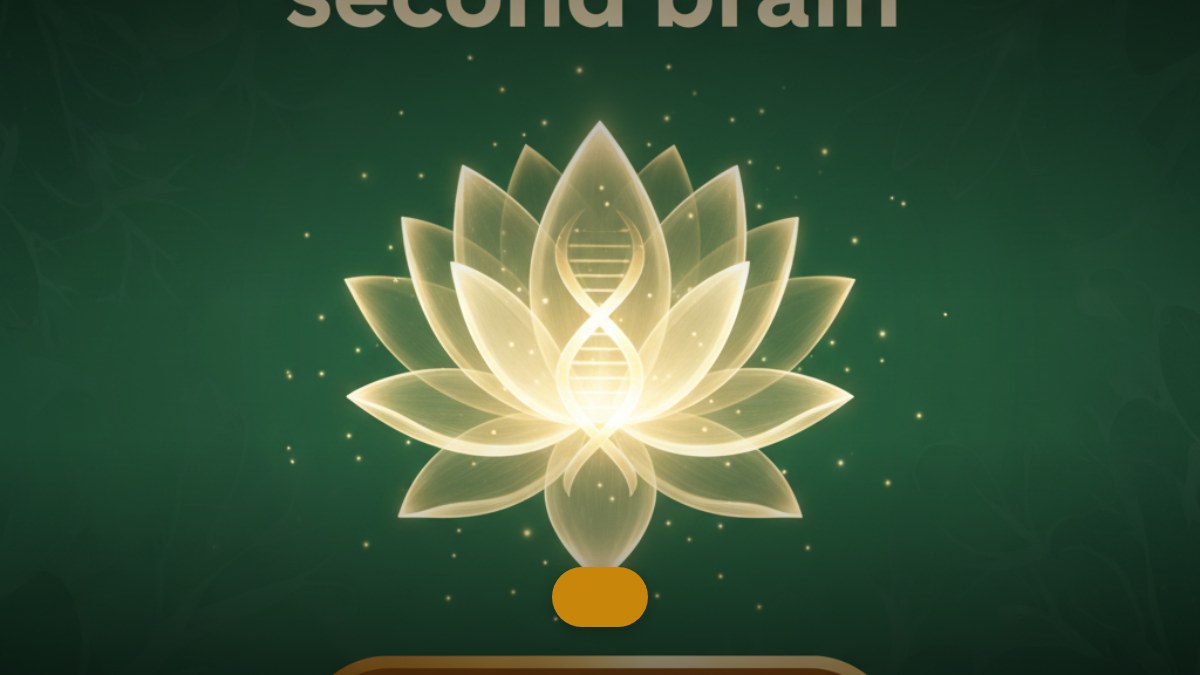
Many individuals struggle with chronic digestive complaints, brain fog, and fatigue. In fact, these seemingly disparate symptoms often point to a single root cause: an imbalanced gut-brain axis and widespread inflammation. Your gut, often called your “second brain,” houses trillions of microorganisms that profoundly impact your immune system, hormone balance, and neurotransmitter production. When this delicate ecosystem is disrupted, it creates a cascade of problems throughout the body.
Specifically, a phenomenon known as “leaky gut,” or increased intestinal permeability, allows undigested food particles, toxins, and bacteria to seep into your bloodstream. Consequently, your immune system mounts a continuous attack, leading to systemic inflammation. This constant internal battle drains your energy, disrupts nutrient absorption, and can even impair cognitive function. Therefore, addressing these underlying mechanisms is crucial for lasting relief.
From a Taoist perspective, the gut, or the “Middle Burner,” is the central processing unit for both physical and energetic nourishment. When this center is weak or blocked, your vital energy, or Qi, cannot flow freely. This stagnation manifests as digestive upset, low energy, and emotional imbalance. Moreover, modern stressors, processed foods, and environmental toxins constantly assault this delicate balance, making it harder for your body to maintain harmony.
What Most People Get Wrong About Gut Health
Most people approach gut health with a narrow focus, often making three key mistakes. First, the tactic mistake involves chasing quick fixes like restrictive elimination diets or probiotics without understanding the underlying imbalances. While these can offer temporary relief, they rarely address the systemic issues. For example, simply removing gluten might alleviate symptoms, but it won’t repair a compromised gut lining or calm an overactive immune system.
Second, the mindset mistake is believing that gut issues are isolated or purely physical. Many think their digestive problems are separate from their stress levels, sleep quality, or emotional state. However, the gut-brain connection is undeniable; chronic stress directly impacts gut motility and permeability. This fragmented view prevents a holistic approach to healing.
Third, the system mistake is relying solely on conventional medicine, which often treats symptoms rather than root causes. Doctors might prescribe acid blockers for reflux or anti-diarrhea medication for IBS, but these interventions rarely restore true gut function. In contrast, a comprehensive approach considers the entire person, recognizing that true healing requires more than just masking discomfort. We need to look upstream, as I often discuss in my practice, to find the true source of the problem.
The Three Treasures: A Taoist Approach to Gut Health
Our Taoist approach to gut health centers on the ancient concept of the “Three Treasures”: Jing (essence), Qi (vital energy), and Shen (spirit). This framework provides a holistic roadmap for restoring balance and vitality to your digestive system and beyond. By nourishing these three aspects, we move beyond symptom management to cultivate profound, lasting well-being.
Nourishing Jing: Rebuilding Your Foundation
Jing represents your fundamental essence, your deepest reserves of energy. When Jing is depleted, your body lacks the raw materials for repair and regeneration, including the integrity of your gut lining. Chronic stress, poor diet, and inadequate sleep all erode Jing. To rebuild this foundation, we focus on deep nourishment and restorative practices.
In practice, this means prioritizing nutrient-dense, whole foods that are easy to digest. Think bone broths, fermented foods, and cooked vegetables rather than raw, cold, or highly processed items. Furthermore, we emphasize quality sleep, as it is during deep rest that your body performs its most critical repair functions. Jing also benefits from specific Qigong practices designed to gently build and store energy, rather than expending it. Many people make the mistake of pushing themselves too hard, even with healthy practices, further depleting their essence. Instead, we learn to cultivate energy gently.
Cultivating Qi: Harmonizing Your Flow
Qi is your vital life force, the energy that animates all bodily functions, including digestion. Stagnant or deficient Qi in the digestive system leads to bloating, indigestion, and irregular bowel movements. A key aspect of the Taoist approach to gut health is ensuring the smooth and abundant flow of Qi.
To cultivate Qi, we turn to practices like Qigong and breathwork. Specific Qigong movements, such as the “Digestion Qigong” sequence, gently massage internal organs, stimulate peristalsis, and improve circulation to the digestive tract. Moreover, conscious breathing techniques, like diaphragmatic breathing, directly activate the vagus nerve, shifting your body into a “rest and digest” state. This contrasts sharply with the modern tendency to eat quickly and under stress, which severely impairs digestive Qi. In my “Gut Health Masterclass Series” on YouTube, I demonstrate how these simple practices can profoundly impact your digestive function.
Elevating Shen: Calming Your Spirit
Shen is your spirit, consciousness, and mental clarity. An agitated Shen, often caused by chronic stress, anxiety, or emotional turmoil, directly impacts your gut through the gut-brain axis. When your mind is in turmoil, your gut often follows suit. Therefore, calming your spirit is paramount for digestive harmony.
Practices that elevate Shen include meditation, mindfulness, and cultivating a sense of inner peace. Regular meditation helps to quiet the incessant chatter of the mind, reducing the physiological stress response that can wreak havoc on your gut. Additionally, spending time in nature, engaging in creative pursuits, and fostering meaningful connections all contribute to a balanced Shen. The mistake here is often ignoring the emotional component of gut issues, believing it’s “all in your head” rather than recognizing the profound interconnectedness. In my documentary, “Interconnected,” we explored this intricate gut-brain-immune connection and how our emotional state directly impacts our physical health. PubMed
Practical Protocol: How Do You Start This Week?
Starting your journey toward better gut health doesn’t require a complete overhaul overnight. Instead, focus on small, consistent steps that build momentum. Here’s a practical protocol to begin applying the Taoist approach to gut health this week:
- Morning Qigong for Digestion (5-10 minutes): First, before breakfast, practice a simple Qigong sequence focused on the abdomen. Gently massage your belly in a clockwise direction for a few minutes. Then, perform slow, deep abdominal breaths, expanding your belly on the inhale and contracting on the exhale. This awakens your digestive Qi.
- Mindful Eating Practice: Next, for at least one meal each day, commit to eating without distractions. Chew your food thoroughly, savoring each bite. Pay attention to your body’s signals of fullness. This simple act significantly improves digestion and nutrient absorption.
- Hydrate with Warm Water: Instead of cold beverages, drink warm water or herbal teas throughout the day. Warmth supports digestive fire (Qi) and helps to move stagnation.
- Evening Wind-Down Ritual: Finally, create a 30-minute pre-sleep ritual. This might include gentle stretching, reading, or a short meditation. Avoid screens and stimulating activities to help calm your Shen and prepare your body for restorative sleep, which is crucial for Jing replenishment. The Sleep Quality Paradox: Why 8 Hours Isn’t Enough
Your Path to Vibrant Health
When you consistently apply this holistic framework, you stop merely managing symptoms and start cultivating true digestive harmony. You will stop experiencing the unpredictable bloating and discomfort that once dictated your day. Instead, you will begin to feel a lightness in your being, a clarity in your mind, and a steady, abundant energy flowing through you.
You become someone who listens to their body’s innate wisdom, trusting its signals and responding with nourishing practices. This isn’t just about fixing a problem; it’s about reclaiming your vitality and stepping into a more vibrant, resilient version of yourself. You will experience sustained energy, improved mood, and a profound sense of inner balance.
Reclaim Your Inner Harmony
The journey to optimal gut health is a deeply personal one, yet it doesn’t have to be confusing or overwhelming. We’ve explored how a Taoist approach to gut health offers a powerful, time-tested framework to move beyond superficial fixes and address the root causes of digestive imbalance. By understanding the interconnectedness of your Jing, Qi, and Shen, you gain the tools to truly heal and thrive.
If you’re ready to dive deeper into these ancient practices and integrate them into your modern life, I invite you to explore the extensive resources available at The Urban Monk. We offer practical guidance, in-depth programs, and a supportive community dedicated to helping you reclaim your health and vitality. Visit https://upstream.theurbanmonk.com/?utm_source=blog&utm_medium=organic-content&utm_campaign=taoist-approach-to-gut-health&utm_content=inline-cta to discover more and begin your transformation today. Qigong for Stress Relief That Actually Rewires Your Brain
Frequently Asked Questions
What is the core principle of a Taoist approach to gut health?
The core principle is the interconnectedness of your body, mind, and spirit, focusing on balancing your vital energy (Qi), essence (Jing), and spirit (Shen). This holistic view treats the gut as the central hub of your well-being, rather than an isolated organ.
How does Qigong specifically help with digestion?
Qigong helps digestion by gently massaging internal organs, stimulating blood flow, and promoting the smooth flow of Qi through the digestive tract. Furthermore, it activates the parasympathetic nervous system, shifting your body into a “rest and digest” state, which is crucial for efficient digestion.
Can a Taoist approach help with conditions like IBS or chronic bloating?
Yes, a Taoist approach can be highly effective for conditions like IBS and chronic bloating. It addresses the underlying imbalances in Qi flow, nervous system regulation, and inflammation that often contribute to these symptoms, offering a more sustainable path to relief.
Is this approach compatible with modern medicine?
Absolutely. A Taoist approach to gut health complements modern medicine by providing a holistic framework for prevention and deep healing. It focuses on lifestyle, diet, and energy practices that support your body’s innate healing capabilities, working alongside conventional treatments.
What role does diet play in this Taoist perspective?
Diet plays a crucial role, emphasizing warm, cooked, easily digestible, and nutrient-dense foods that nourish your Jing and support your digestive Qi. It avoids foods that create dampness, coldness, or stagnation, which can hinder proper digestion and energy flow.
How long does it take to see results with this approach?
Results vary for each individual, but many people experience noticeable improvements in digestion, energy, and mood within a few weeks of consistent practice. However, true, lasting transformation often requires sustained effort and commitment to the principles of a Taoist approach to gut health.